WhatsApp is the storefront your buyer already uses
More than 500 million people in India use WhatsApp. Your buyer checks it before your website, before email and before Instagram. A D2C brand that treats WhatsApp as a support inbox only is leaving its best sales channel half used. In 2027, the channel does three jobs: it finds new buyers, it closes the sale in the chat, and it brings the buyer back for the next order.
GoKwik studied 26 billion WhatsApp messages sent by more than 1,800 D2C brands. In the October to December 2025 festive quarter, 83 percent of WhatsApp-driven orders came from first-time buyers. WhatsApp now brings in new buyers as well as repeat orders.
The three ways a buyer reaches you
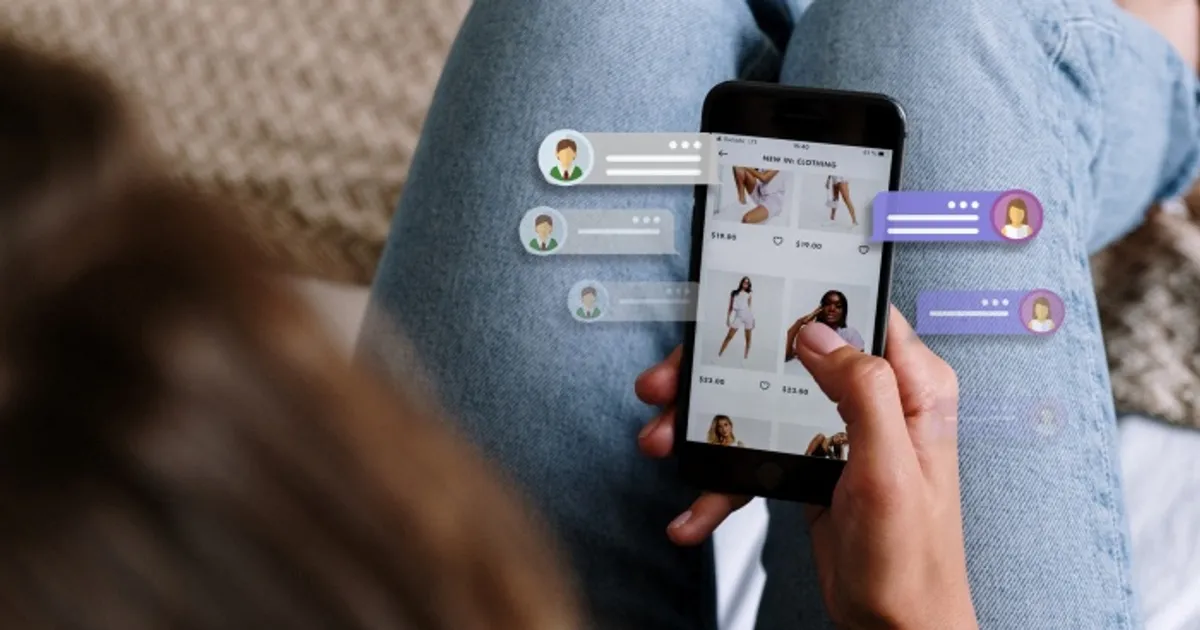
A buyer can start a chat from an ad, browse a catalog inside the chat, or answer a Flow that collects size, city and address in steps. Each path suits a different job.
| How the buyer starts | What it is best for |
|---|---|
| Click-to-WhatsApp ad | New buyers who have never visited your store |
| Catalog shared in the chat | Browsing products and sending a cart without leaving WhatsApp |
| WhatsApp Flow | Collecting size, pincode, address or a COD confirmation in steps |
Catalog ads: the ad is the shop window
A catalog ad is a Meta ad on Facebook or Instagram that opens a WhatsApp chat instead of your website. The buyer sees your products inside the chat, adds items to a cart and sends the cart to you as one message. There is no single ad type called a catalog ad. The ad brings the person in, the catalog and the chat do the selling.
Keep the catalog synced from your store so price and stock stay correct. The WhatsApp Business app lets you list up to 500 products by hand. On the API, the catalog lives in Commerce Manager and holds far more. Sync it from Shopify so a sold-out size never shows as available.
Run catalog ads with the Sales objective and set the conversion location to WhatsApp. Meta then looks for people likely to start a chat and buy, and not people who only tap.
Click-to-WhatsApp ads and the 72-hour window
When a buyer starts a chat from your ad and you reply within 24 hours, a free entry point window opens for 72 hours. Messages you send in that window, including templates, are not charged. After it closes, follow-ups are billed per message. Close the sale inside those three days.
Send purchase events from chat orders back to Meta with CAPI for business messaging. Without it, Meta cannot see which chats turned into orders, and your ads optimise on taps instead of sales.
What a WhatsApp order costs in 2027
Since 1 July 2025, Meta charges per delivered template message, and not per 24-hour conversation. The India rate card in force since 1 October 2026 sets the list rates. Add 18 percent GST and your provider fee on top.
| Message type | Cost per delivered message in India |
|---|---|
| Marketing: offers, launches, cart nudges | ₹0.8631 |
| Utility: order updates, shipping alerts, payment requests | ₹0.115 |
| Authentication: OTPs and login codes | ₹0.115 |
| Service: your reply inside the 24-hour window | First 1,000 a month free per number, then ₹0.115 |
Marketing costs about seven and a half times as much as utility. Design your flows around that gap. Confirm the order, share tracking and ask for the COD confirmation as utility messages. Save marketing templates for offers that earn their price.
Meta bills India-based businesses in rupees from 1 January 2026. Every messaging account must move to INR billing by 31 December 2026, or Meta stops delivering its messages from 1 January 2027.
Take payment inside the chat
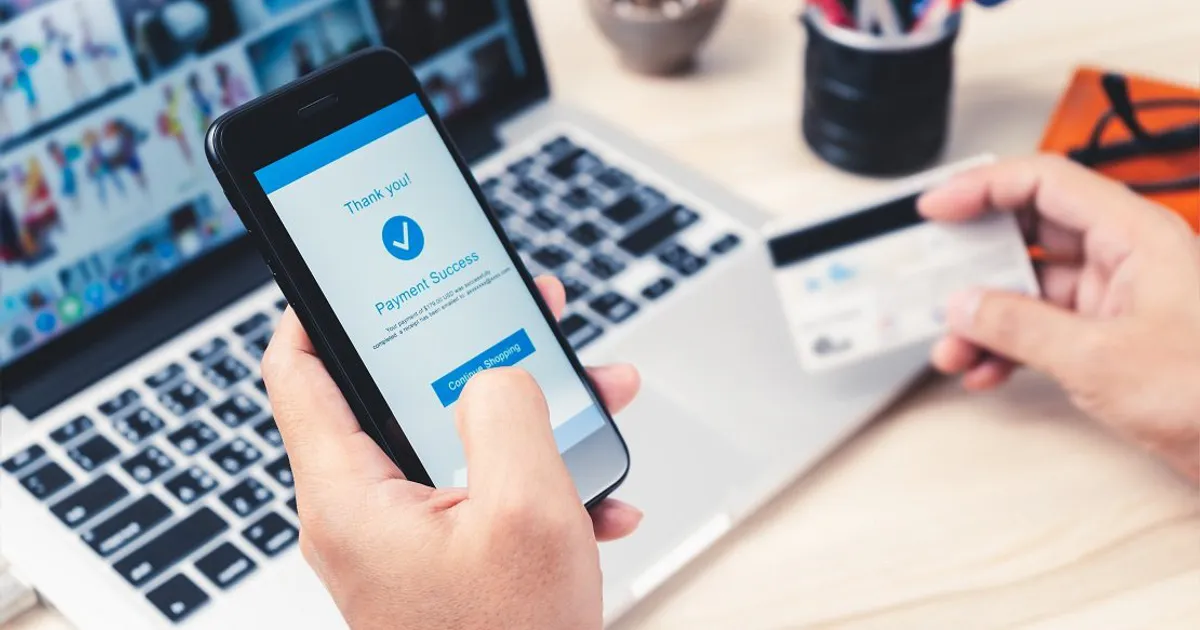
In India, a buyer can pay by UPI inside the chat. You send an order message with the items, the total and a payment button. The buyer taps, picks UPI, enters the PIN, and the payment confirms in the same thread. No redirect to a website, no separate app.
Two routes exist. The native route uses WhatsApp Pay, Meta's own in-chat payment experience powered by UPI. The gateway route connects a payment aggregator such as Razorpay or PayU to your WhatsApp account. The gateway route covers more payment methods and gives you the reconciliation and refund reports your finance team already uses.
A prepaid order paid in the chat is also a COD order that never becomes an RTO. Every order you move from COD to prepaid in WhatsApp cuts the risk of a parcel refused at the door.
AI agents that sell, and not just reply
A menu bot answers FAQs. An AI agent qualifies the buyer, asks budget, size and city, recommends a product from the catalog, and hands over to your team with the context already collected. The handover matters more than the bot. Meta's policy lets you automate replies inside the 24-hour window only if you offer a clear path to a human.
Keep the agent on a short leash. It answers from your catalog and your policies, and it says when it does not know. A wrong size chart or a promised delivery date you cannot meet costs more than a slow reply.
Count the cost per chat, and not per message. At ₹0.115 a service reply, an agent that sends seven messages per chat costs about twice as much as one that sends three. Short answers save money and close faster.
Consent first
You need verifiable opt-in consent before you send any marketing message on WhatsApp. The DPDP Act and TRAI's rules both point the same way. Collect consent at checkout and in the chat, keep the record, and make opting out one tap. A list built on consent is the only list that keeps working when the rules tighten in 2027.
A 30-day plan to start
- Week 1: set up the catalog in Commerce Manager and sync it from Shopify
- Week 2: launch one click-to-WhatsApp ad on your best-selling product with the Sales objective
- Week 3: add order confirmations, shipping updates and COD confirmations as utility templates
- Week 4: connect UPI payment in the chat and send chat orders back to Meta with CAPI
Your buyer is already on WhatsApp. The question is whether your store is there too, or only your support inbox.