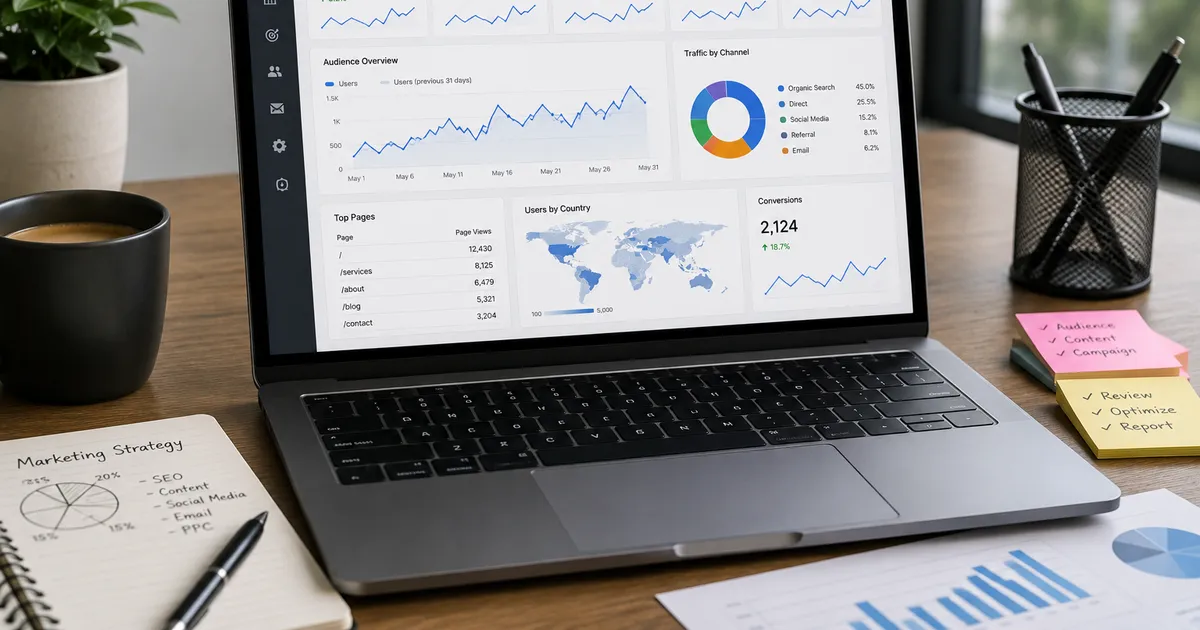
Ranking is no longer the goal. Citation is.
Classic SEO earns a blue link on a results page. Generative engine optimisation earns a mention inside the answer, the paragraph ChatGPT writes, the sources Perplexity cites, the summary in Google AI Overviews. When a buyer asks which product to buy, the win is being one of the brands the model names. A page can rank first on Google and never get cited by ChatGPT, and a page ranked eighth can be the one the model quotes.
How each engine picks its sources
The engines do not all read the same web. ChatGPT search leans on the Bing index and its own crawler, OAI-SearchBot. Perplexity searches the web in real time and cites its sources inline, so it shows its receipts. Google AI Overviews draw on the Google index and the Shopping Graph. The practical point is the same for all three. If their retrieval layer cannot crawl and parse your pages, no amount of clever copy helps.
| Engine | What it reads |
|---|---|
| ChatGPT search | Bing index plus OAI-SearchBot crawler |
| Perplexity | Live web search plus PerplexityBot, citations shown inline |
| Google AI Overviews | Google index plus the Shopping Graph for products |
The checks we run first
Before any writing, we check the four gates. If a gate is closed, the engines cannot read you at all.
- Robots.txt allows OAI-SearchBot, PerplexityBot, Googlebot and Bingbot. Blocking OAI-SearchBot opts you out of ChatGPT search answers, often without realising it.
- Pages are indexable, with no noindex and no snippet blocking. Keep the main content in the HTML, not behind JavaScript, because the AI crawlers do not run it.
- Product pages carry Product schema with price, availability and reviews. For products, structured data matters more than prose.
- Your brand facts are identical everywhere: name, what you do, who you serve, where you are. The model must know what your site is before it trusts it.
Write answers the engines can lift
AI systems lift short, complete passages. Put a direct, quotable answer in the first one or two sentences under each heading, then elaborate. Use question style headings, because a heading like which moisturiser suits oily skin maps directly to the query a buyer typed. Add FAQPage and HowTo schema so the retrieval layer gets clean, labelled facts. About 44 percent of ChatGPT citations come from the first third of a page, according to Kevin Indig and 1.2 million responses in 2026, so put the answer near the top. About 62 percent of AI citations point to pages ranked below the top 10, according to Ahrefs and 863,000 keywords in 2026, so a modest ranking does not disqualify you.
Product data decides the product answer
When a shopper asks for a product, the assistant weighs structured metadata such as price and description, plus reviews from public sites. Shopify stores are already in ChatGPT through the Shopify Catalog, and Google draws on a Shopping Graph of more than 50 billion listings, with 2 billion refreshed every hour. The maker with an accurate feed, stock in hand and a fair price wins the merchant list. Keep your feed clean, your prices current and your reviews visible.
Measure it by asking, not by ranking
Rank tracking does not tell you whether AI names you. Run a fixed set of buyer questions in ChatGPT, Perplexity and Gemini without hinting your brand, and log how often you are named or cited. That is your mention rate. Track it monthly. Perplexity is the easiest place to see whether your work is landing, because it shows its sources inline. Perplexity cites about 22 sources per answer against about 8 for ChatGPT, according to Qwairy and 118,101 answers in 2025, so it gives you more chances to appear.
Nobody can guarantee a citation. The work is making your pages easy to find, easy to understand and easy to trust.
If robots.txt blocks the AI crawlers, or your content only appears after JavaScript runs, nothing else you do will show up in an answer. Fix access first.